 EN
EN
 AR
AR
 NL
NL
 FR
FR
 DE
DE
 IT
IT
 JA
JA
 KO
KO
 PL
PL
 PT
PT
 RO
RO
 RU
RU
 ES
ES
 TL
TL
 ID
ID
 SR
SR
 SK
SK
 SL
SL
 UK
UK
 VI
VI
 SQ
SQ
 HU
HU
 TH
TH
 TR
TR
 FA
FA
 AF
AF
 MS
MS
 BN
BN
 BS
BS
 KM
KM
 LO
LO
 LA
LA
 MN
MN
 ZU
ZU
 MY
MY
 KK
KK
 UZ
UZ
 KU
KU
 KY
KY

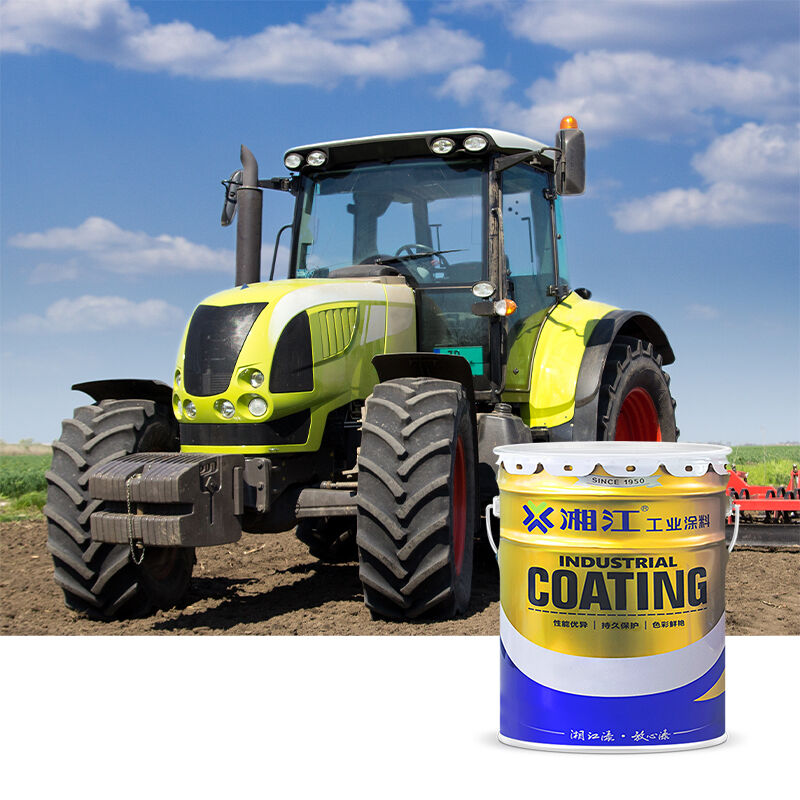
Petrochemical plants often have an enormous problem with corrosion. Over time, it can damage pipes and tank, resulting in leaks and expensive repairs. Preventing from getting rusty is very important. A powerful approach to tackle it is using the so-called coatings. At Xiangjiang Paint, we offer reliable coating systems that can help in protecting your plant equipment from rust and corrosion., we’re discussing the best coating system for you to use when it comes to preventing corrosion, and take a closer look at some of the most prevalent petrochemical plant corrosion problems as well as ways they can be stopped.
Which Are the Best Coating Systems for Corrosion Protection in Petrochemical Plants?
The upper coating systems to prevent the corrosion made of very strong materials capable of remaining in extreme conditions even in a petrochemical environment. The best option in between, one of these epoxy coatings. These are durable coatings and have good adhesion to metal substrate. They give excellent protection against moisture and chemicals which can cause rust. Polyurethane coatings are another good choice. They are flexible and long lasting so they are ideal for areas that need to expand and contract with temperature changes. A third choice undercoats are epoxy zinc-rich primers. These are by far the best to prevent rust from forming in that they contain zinc, which is a protectant to the metal underneath. The best course of action is to select the best possible coating for your individual requirements. At Xiangjiang Paint, we have several of these systems for different portions of the plant. Make sure you apply these finishes correctly. This includes clean the surfaces thoroughly so that the coating adheres well. After that, the right tools are key to avoiding bubbles or peeling. Scheduled checks also help promote the longevity of the coatings. The right system can keep equipment safe for years.
Common Corrosion Problems And How To Mitigate Them
In the field of petrochemical plants, it is very common for different corrosion phenomena to appear. One such major issue is that of pitting corrosion. It occurs when small spots on a metal surface begin to rust. It is typically the result of chloride ions from salt or water. Frequent cleanings can prevent pitting also by removing harmful chemicals. Another problem is uniform corrosion in which metal wears away evenly over a surface. This may occur with exposure to acidic chemicals. This kind of corrosion can be slowed by a protective coating like those sold by Xiangjiang Paint. Then there’s crevice corrosion, which happens in nooks and crannies where moisture gets trapped. Keeping your areas dry and having the correct drainage can be beneficial here as well. In addition, electrochemical corrosion can result when two dissimilar metals come into contact and a reaction occurs. This can be avoided through the use of identical metals or insulating materials to separate dissimilar metals. Always check the equipment before each game and routinely maintain it. At Xiangjiang Paint, we are urging plant operators to carry out inspections on a frequent basis. The more they know about corrosion problems, the better they are able to protect their investment in equipment and avoid costly production loss. Early addressing of these corrosion concerns with excellent coating systems can help save petrochemical plants money in the long run, and they'll be able to keep things running without any hitches.
Understanding When and Why Corrosion Coatings in Aggressive Environments Fail
Coatings to protect such pipes and tanks at petrochemical plants from corrosion are very important. These coatings preserve metal's safety from rust and other damage. But the devices’ life can vary, depending on where and what environment they are used in. By harsh environments, we mean those dominated by extreme temperatures, high humidity or salty air. In harsher locations, coatings might not survive for as many years as they would in other areas. If you were to put a coating in a warm place with lots of moisture, for instance, then perhaps it will wear out more rapidly. It’s just like wearing a raincoat outside when it’s raining sometimes it shields you fine, but if you’re caught in the rain too often with it, eventually the thing might get old and wear out.
There are so many things to consider when you choose a anti-corrosion coatings from Xiangjiang Paint, but one of the most important is how long you want it to last. Some can last for years, while others you may need to replace more frequently. Experts can also provide great guidance when it comes to determining the right one for you. They can tell you which finishes hold up best to your conditions. Also, regular inspections are essential. You can catch any issues before they become big problems by checking the pipes and tanks frequently. If you’re finding rust or other visible damage, it may be time to replace or repair the coating. knowing the environment in which the coating will be applied can help with your choice, providing better long-term protection for your pipes and tanks.
What Are The Best Ways To Apply A Corrosion Coating System?
The use of corrosion coats is highly necessary so that they can be efficient. It is not the difference in the products but in the possession of the right technique in dealing with Xiangjiang Paint. To start with you must do the right prep on your surface. This involves ensuring that the metal is clean as much as possible in order to eliminate dirt, grease or rust. The coating will, however, not bond calmly and can start peeling off in the case the surface is not clean. Sandblasting or a chemical cleaner can help to prime the surface using other techniques. One should wash and then leave the surface to dry before coating by ensuring that there is nothing left on the surface.
Second, it is important to observe instructions during the process of putting on the coating. Coating can be done in several applications. Hypothetically, in case this is so then you must wait until each of the layers is dry then apply the other. The amount of the temperature and humidity also influences the quality of coating drying and sticking. I have discovered that in most cases I like to spray the coating on the surface so as to get a good coating. The correct spray equipment is the key to a smooth and even coating. And lastly always remember to always wear the appropriate equipment first before applying coatings as a means of protecting yourself against such harmful chemical substances.
After use, the treated surface should also be allowed to dry. Curing is the process of hardening and spreading an overlay to its surface. Depending on the coating and working environments, the time of curing can be different. See the directions of Xiangjiang Paint. Proper ways of application are important to sustain the recommended life of your corrosion protection system.
Problems in Coating of Corrosion Failure of Petrochemical Devices
Even the best corrosion coatings at times becomes ineffective. Once this happens, it is important to find out the cause and rectify. One of the common problems is referred to as blistering. When moisture is caught up between the coating, it blisters. It can lead to the development of bubbles of air and this problem can develop unless managed can lead to a greater damage like rusting. To eliminate this issue you need to check your system to make sure there is no leaks or spots where the coating might have been over sprayed. Nevertheless, in case of any issues, you are expected to fix the coating or the paint.
The other problem is that of peeling, and this is where the parts of the coating are starting to loosen. Peeling may be experienced because the surface had not been prepared correctly or because the conditions at the application were not appropriate. In case there is peeling, take a look at the surface, the peel is swelling, it means that it is coming up as the area was not washed well. It could also be that you have to strip off the old coating and start all over again with the proper approach to achieve the same results excellently.
It is best that with Xiangjiang Paints products you read the instructions of the manufacturer first because he or she may have some tips in avoiding and resolving such problems. Regular checkups may be used in order to identify problems before they get out of control. It can either help or hurt your high standards of keeping your equipment safe, whether or not you are able to instruct your crew on the proper application of the coatings and how to detect any issues. Its ability to resolve issues fast ensures that time and money are conserved in future by ensuring that pipes and tanks are not subjected to adverse petrochemical plant factors.
Table of Contents
- Which Are the Best Coating Systems for Corrosion Protection in Petrochemical Plants?
- Common Corrosion Problems And How To Mitigate Them
- Understanding When and Why Corrosion Coatings in Aggressive Environments Fail
- What Are The Best Ways To Apply A Corrosion Coating System?
- Problems in Coating of Corrosion Failure of Petrochemical Devices