 EN
EN
 AR
AR
 NL
NL
 FR
FR
 DE
DE
 IT
IT
 JA
JA
 KO
KO
 PL
PL
 PT
PT
 RO
RO
 RU
RU
 ES
ES
 TL
TL
 ID
ID
 SR
SR
 SK
SK
 SL
SL
 UK
UK
 VI
VI
 SQ
SQ
 HU
HU
 TH
TH
 TR
TR
 FA
FA
 AF
AF
 MS
MS
 BN
BN
 BS
BS
 KM
KM
 LO
LO
 LA
LA
 MN
MN
 ZU
ZU
 MY
MY
 KK
KK
 UZ
UZ
 KU
KU
 KY
KY

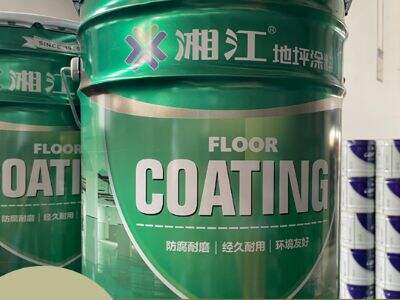
Epoxy is finicky surface to paint; if not completely dry or the temperature isn't right, the painting will be a waste of time. Xiangjiang Paint recognise these two can have an serious impact on how paint appears and performs. If it’s too hot or cold, or if the air is very humid, that will influence how the paint sticks and dries. For instance, if it is very humid outside, the humidity in the air can mix with the paint and cause difficulty drying. This can result in an uneven finish or even flaking in the future. Knowing these impacts can guide anyone to paint the best time for getting the best results.
How to Pick the Right Epoxy Paint for Temperature and Humidity?
Maintaining holds It’s not so hard to choose the right epoxy paint, but you want to consider the weather. First, look at the temperature. Standard epoxy paints like a climate between 60°F and 90°F; Any cooler and the paint doesn’t adhere properly, any hotter and it dries too fast. This in turn may make the surface rough. For instance, you can pick a cooler day if you want to paint in the summer, or you can do it in the early morning or late evening when it’s not too hot. Next, humidity is important too. It can cause problems, however, if there is a lot of humidity in the air — a rainy day at sea level, for example. Paint can take longer to dry when the humidity is high. This might result in the wet paint attracting dust and dirt particles. One good way to measure the humidity is to use a hygrometer, a basic gizmo that tells you how much moisture there is in the air. If you notice that the humidity is greater than 70%, it’s best to wait until another day. Read the label on the paint can. Individual paints may have different recommendations. And finally, consider where you are painting. Ventilate well if it’s an indoor project. That includes keeping windows open and fans going which will help the paint to dry more quickly. You need to monitor the temperature and humidity so you can select the most applicable epoxy paint and achieve a fine finish.
The Best Epoxy Paint For Different Weather Scenarios And Where To Find Them
Locating a high quality epoxy paint that meets your requirements is not as hard as you may believe. Xiangjiang Paint provides epoxy paint that are designed for different climate. You can purchase them from your local hardware store or paint store. When you’re shopping for paint, seek the shop staff’s advice. They also tend to know what products perform best in your area’s climate. You can also see online. Xiangjiang Paint is sold on many sites, and they tend to have some sort of description for each product. This can help you pick the best paint for what your home needs, whether it’s a hot, dry place or somewhere else where humidity is an issue. When you’re purchasing, check out reviews from other consumers. This may help you determine how well the paint does under various conditions. Also pay attention to the qualities of your paint, how fast it dries (typically much faster than oils) and its durability. Some paints are formulated to be resistant to extreme temperatures and high humidity, which can make them well-suited for harsh climates. Ultimately, whether you buy in the store or online, it’s important to select a reputable source. This way you receive top quality epoxy paint for your project that will look better and last longer.
The Influence of Temperature and Humidity on their Properties
Epoxy paint is a heavy-duty product that dries to a hard, durable surface. But the temperature and humidity in the air can affect how well epoxy paint works. The paint might not adhere well to the surface if it’s too cold. The paint may be too thick to spread, and the original pigment is dry and requires an hour in cold weather. It may take quite a while to dry and might have an uneven appearance. On the flip side, epoxy paint can dry too fast when it’s overly hot. This can result in issues, such as bubbling or cracking on the surface.
The humidity is also a factor on quality of epoxy paint. Humidity is a measure of how much moisture is in the air. Unless there’s a lot of moisture in the air, and then it can lead to problems. For instance, if you apply epoxy floor paint in the middle of a very humid day, the moisture can combine with the paint. This can cause the paint not to adhere, or it may fail to dry. When it is very humid, the epoxy can remain soft for an extended period of time and that’s not necessarily a good thing. Checking the weather and using epoxy-based paint can assure that your driveway looks great for years to come. At Xiangjiang Paint we always remind our customers to consider temperature and humidity when beginning a painting project.
How Should You Store Epoxy Paint in High Humidity?
Proper storage of epoxy paint is crucial, especially if used in high-humidity areas. Paint can and does go bad, so do a little advanced planning to avoid spoiling your batch. Generally, you want to store the paint in a cool, dry area. This keeps moisture out of the paint. A ventilated garage or shed can work well, too. Remember to seal the paint cans well and protect them from moisture. Paint should also be kept off of the ground. Placed on a shelf or table, it’s close at hand yet away from any water that might splash up.
Another tip is to see temperature of the storage. It should be neither too hot, nor too cold. If it is too hot, the paint can dry up. Paint can become too cold to handle if it is very thick and stiff. You can also measure the temperature in the paint storage area with a thermometer. If you see any changes, try relocating the paint to a more favorable place. Or if the paint is exposed to direct sunlight, sunlight can make the paint too hot and it will affect the enamel. At Xiangjiang Paint, we recommend dating your paint cans. That way you’ll know the age of the paint and can prioritize using up cans that have been around longer. Adhering to these tips will also keep your epoxy coating in a good condition until you decide to use it.
The Effect of Environment on the Lifetime of Epoxy Paint
The setting where the epoxy paint application takes place can really do a lot to determine how long it will last. Then there’s the weather: temperature, humidity and even sun exposure. Painted under the proper conditions, it can last for years. But if the situation isn't optimal, it might be peeling or flaking or fading. That moisture can loosen the bond holding the paint and surface together which is why painting on a rainy or super humid day (60 percent relative humidity or higher) could mean bad news for you. The paint can peel much faster compared to the paint that is sprayed when it is dry.
The sun is another element that can be detrimental to epoxy paint. The paint may become faded when exposed to strong sunlight in a long time. This fading can occur more quickly if the paint isn't formulated to fend off UV light. And it's also worth considering where you're painting. Areas that are frequently exposed to water, such as bathrooms or patios, can contribute to the premature wear of your paint. At Xiangjiang Paint, we suggest a coating specifically designed for the conditions you'll experience. This helps to prevent UV damage and keeps them looking good for longer. Regular maintenance, such as cleaning off surfaces and touching up a spot here or there that needs it can also keep the paint looking new and fresh. Knowing the effect of environmental elements on epoxy paint can help you make better decisions when it comes to your painting jobs.
Table of Contents
- How to Pick the Right Epoxy Paint for Temperature and Humidity?
- The Best Epoxy Paint For Different Weather Scenarios And Where To Find Them
- The Influence of Temperature and Humidity on their Properties
- How Should You Store Epoxy Paint in High Humidity?
- The Effect of Environment on the Lifetime of Epoxy Paint