 EN
EN
 AR
AR
 NL
NL
 FR
FR
 DE
DE
 IT
IT
 JA
JA
 KO
KO
 PL
PL
 PT
PT
 RO
RO
 RU
RU
 ES
ES
 TL
TL
 ID
ID
 SR
SR
 SK
SK
 SL
SL
 UK
UK
 VI
VI
 SQ
SQ
 HU
HU
 TH
TH
 TR
TR
 FA
FA
 AF
AF
 MS
MS
 BN
BN
 BS
BS
 KM
KM
 LO
LO
 LA
LA
 MN
MN
 ZU
ZU
 MY
MY
 KK
KK
 UZ
UZ
 KU
KU
 KY
KY

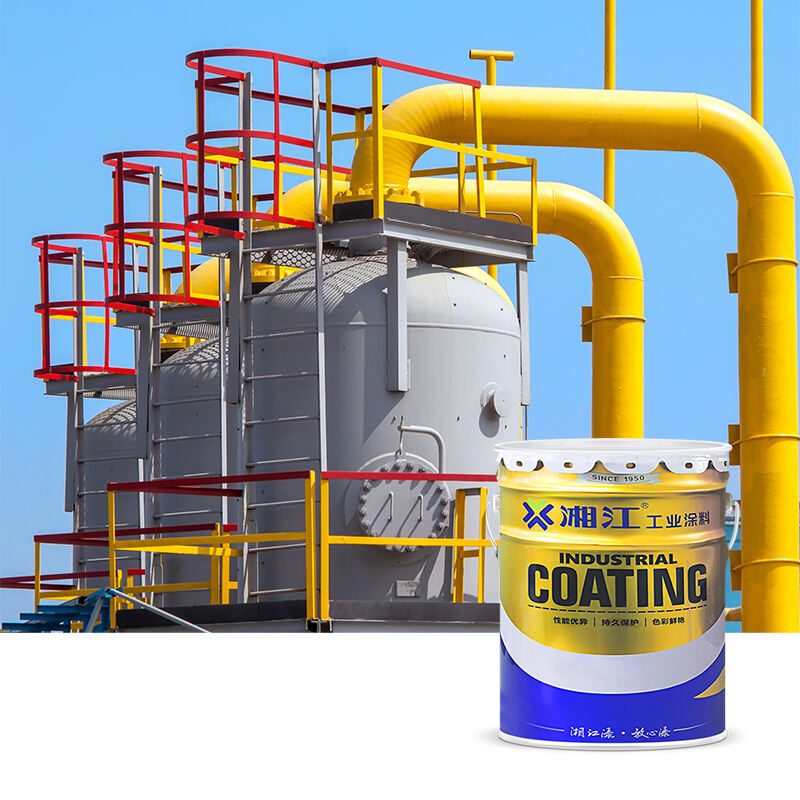
Sulfuric acid in a chemical factory is a strong and hazardous material. Improper disposal can hurt equipment and structures. That’s where protective coatings can help. Well, these coatings are not ordinary paints; they are special type of paints that protect the surfaces from adverse effects of sulfuric acid. It is important to utilize a proper coating in order to protect workers and prevent problems at the plant. Xiangjiang Paint provides various types of coatings that can serve as a protection against an exposure to sulfuric acid. These coatings hold up in tough environments such as chemical plants to help prevent leaks and to protect equipment.
What Kind of Coating is Suitable for Sulfuric Acid Service?
It can be difficult to find the right coating for protection against sulfuric acid. And frankly, the kind of surface you want to be protecting. Other surfaces, such as metal or concrete, might require a different coating. Metal surfaces, for instance, typically are coated with epoxies because they are so strong and provide terrific adhesion. Concrete surfaces, on the other hand, may require a special sealant that can withstand acid without degrading. It’s also worth considering the local temperature where you’ll be applying the coating. Some are better suited to hot places, while others do best in cooler settings.
Secondly, take into account the coating thickness. A thicker coat may be more durable but pricier. From time to time, a thinner film can get the job done if it is meticulously sprayed. You also want to see how easy the coating is to apply. There are some that can be applied quickly with a spray, and others that may take several passes to get right. You want to ensure that workers can do the work in a safe and effective manner.
The color and finish of the coating is something else to consider. Even if it’s less critical, a bright color will help workers see any damage more easily. In this way they can correct it before it turns into a more significant issue. Ultimately, be sure to always search for products that are tested and known to be compatible with sulfuric acid. Xiangjiang Paint have many types, you can choose what you like. Long-term it will save money as coating can prevent damage and reduce maintenance costs.
Where Can I Get Protective Coatings in Bulk for Chemical Plants?
You don’t need to struggle to find wholesale protective coatings for chemical plants. There are multiple places to turn. One good place to look for such advice is online. Many companies, including Xiangjiang Paint, sell their products on the internet too and it’s easy to browse around for different types of coating. You can shop around and see whose rates are best for your needs. If you’re buying online, read descriptions carefully. Find information on how well the coating will handle sulfuric acid and which types of surfaces are appropriate for it.
You may also wish to visit local distributors. Some of the stores sell industrial bulk paints and coatings. Speaking with a representative can help you figure out what products might be the best fit for your plant. They also can give you some good advice from experience.
You can also go to trade shows and industry events. These auction events are often make up of many different sellers including Xiangjiang Paint. You can test out the products, ask questions and often get a deal. Networking with other professionals will also steer you to good recommendations on where to buy coatings in bulk.
And don’t forget to ask for samples before ordering in bulk. In this way, you can experiment with coating little bits and bobs to see how they will hold up. The proper protective coatings are essential for safety at chemical plants. There are ways, with the right resources and a bit of legwork, to ensure that your equipment and workers remain safe.
Types and Uses of Protective Coatings
In chemical plants, numerous kinds of machines and instruments are exposed to hazardous liquids such as sulfuric acid. This acid can be very destructive to equipment not properly protected. That’s where protective coatings come into play. These coatings act as a barrier to the equipment, thereby protecting it from the acid. Protective coats allow us to moderately increase the life the time of our equipment and tools. When we use a high-quality protective clear acrylic coating, such as Xiangjiang Paint, we help to increase the life of our equipment and decrease rust or corrosion. And that means the machines can operate for longer periods of time without requiring repairs or replacements. When a machine breaks, it can be expensive to repair or replace. So, it’s not only a smart thing to do but will save you money in the long run. Another means by which protective coatings lend a hand is by facilitating cleaning. When a piece of gear is coated, it’s less prone to dirt and acid sticking to it. This is easier to start and clean the machines. Scheduled cleaning is necessary, because it helps avoid accumulation that can damage the machines. Not only does the easy-to-clean coatings help, the machines look new too. It’s nice to own equipment that looks good and is effective. By protecting with coatings, we ensure the equipment will remain in top condition for a long period of time. That translates to less downtime for repairs, and more time for the equipment to do its work. In conclusion, you are at an advantage if you use protective coatings to protect your equipment in chemical plants. It guards against caustic materials like sulfuric acid, lessens the need for repairs, is easier to clean and that it looks good.
Protective Coatings for Maximum Sulfuric Acid Resistance - How to Use Them?
It is crucial to apply protective coatings properly so they function effectively, especially when dealing with something as tough as sulfuric acid. Before doing anything we have to roughen up the surface of the gear. This is cleaning it as in getting rid of dirt, oil or rust. When you paint a dirty surface, the coating doesn’t adhere well, and peeling or damage can result down the road. A quality cleaner, such as those made by Xiangjiang Paint, will help ensure that the surface is ready for your coating. Once the surface is clean, we also want to make sure it’s dry. It can make the coating bubble or not stick well, if there’s any moisture remaining. After the floor is dry, we should put on sealer. The coating itself is easier to apply as directed, not exceeding the instructions that come with the coating. That may involve brush, roller or spray gun. Each has its advantages, however, so it’s important to use the best one for your needs. We must apply even coats when we are applying the coating. If one area has more coating than another, it can create potential trouble down the road. You should also wait until each layer is completely dry before adding the next. This is to ensure the coating adhesion, and it has a very good protection ability of sulfuric acid. After the last coat has been added, we have to wait for it to set. The coating’S hardening and strengthening is otherwise known as curing. This is very important as a good cured coating will protect your tanks really well. By doing these things, we can guarantee the safety of our coatings against sulfuric acid attack. Ultimately, applying protective coatings properly will help keep our equipment safe and operational for the long haul.
What Are Cost Advantages of Using Protective Coating in Chemical Plants?
Protective coating is not only prudent as far as the safety of the chemical plant, it is also costly. To begin with, we conserve money that we would have used to fix and purchase new items. Nevertheless, unless safeguarded, equipment in a sulfuric acid environment will soon be damaged. That is all leaving businesses spending their ton of money on repairing machines or even purchasing new machines. But when you are using superior quality finishes in the collective sight of our site Xiangjiang Paint, then this mishap can be avoided. We of course save a ton of money in the long run by maintaining our equipment. Another benefit is in the field of maintenance. It is coated with machineries which are easy to cover and wash. This implies that workers spend less time in repairing and cleaning machines, which provides the plant with an opportunity to operate more effectively. Greater uptime equates to greater output and that can be converted to higher profits. Moreover, damage-resistant protective coating that is not easily damaged can be used to lower insurance premiums. When one equipment is highly secured and has less chances of failure, insurers will pay less premiums as the risk will also be minimal. This may translate to a huge saving in the annual amount of chemical plants. Moreover, when employees wear clothes that they consider safe to use since they are well guarded, good things may occur in the whole workplace. Happy employees tend to be more efficient and less prone to errors and that can be proved economically friendly in the long term. Lastly, the protective coating can also enable plants to stay in line with the safety regulations. Penalties that may be imposed in case of violation of these regulations are very costly. Chemical firms are able to evade such fines by installing protective finishes and have a smoothly running business. chemical plants where the benefits of protective finishes are hard to contest. They also save on money in terms of repair and maintenance expenses as well as on insurance premiums, as they provide a safer work place and help in ensuring that they are not against the rules. Therefore, the use of corrosion resistant coating is an investment worth making to any chemicals plant.
Table of Contents
- What Kind of Coating is Suitable for Sulfuric Acid Service?
- Where Can I Get Protective Coatings in Bulk for Chemical Plants?
- Types and Uses of Protective Coatings
- Protective Coatings for Maximum Sulfuric Acid Resistance - How to Use Them?
- What Are Cost Advantages of Using Protective Coating in Chemical Plants?